Optimal Timing for Brick Repairs
Brick repairs are most effectively performed during specific times of the year when weather conditions favor proper curing and bonding. Optimal conditions typically include moderate temperatures and low humidity, which help prevent issues such as cracking or improper setting. Timing can significantly impact the durability and appearance of the repair work.
Spring offers moderate temperatures and lower humidity, making it ideal for brick repairs. Repairs performed during this season tend to have better adhesion and longer-lasting results.
While summer provides warm weather, excessive heat and direct sunlight can cause rapid drying, leading to cracks. Repairs should be scheduled early in the morning or late in the afternoon.
Fall provides cooler temperatures and less humidity, which are suitable for brick repairs. It also allows sufficient time for repairs to cure before winter.
Cold temperatures and freezing conditions hinder proper bonding and curing of mortar. Repairs are generally discouraged during winter unless climate-controlled environments are available.
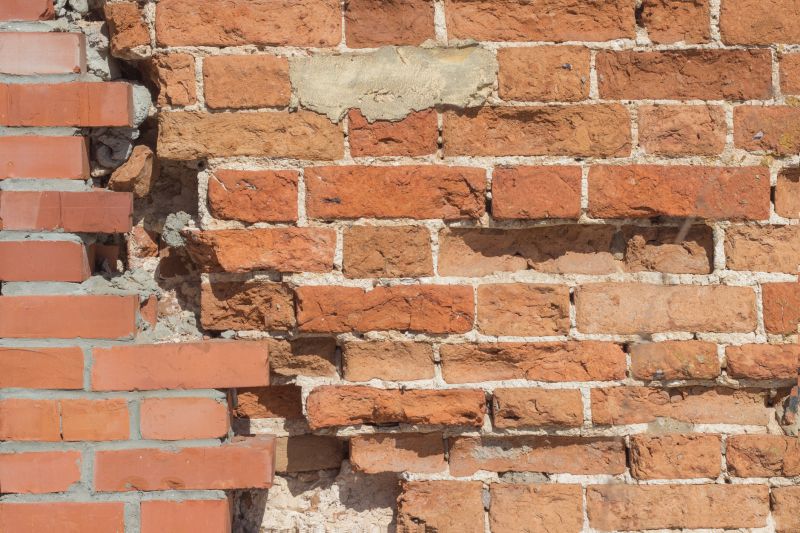
Ways to make Brick Repairs work in tight or awkward layouts.
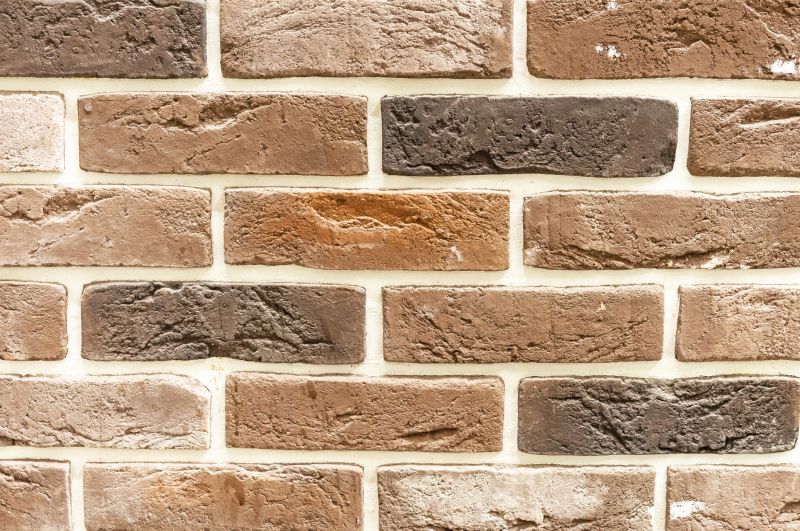
Popular materials for Brick Repairs and why they hold up over time.
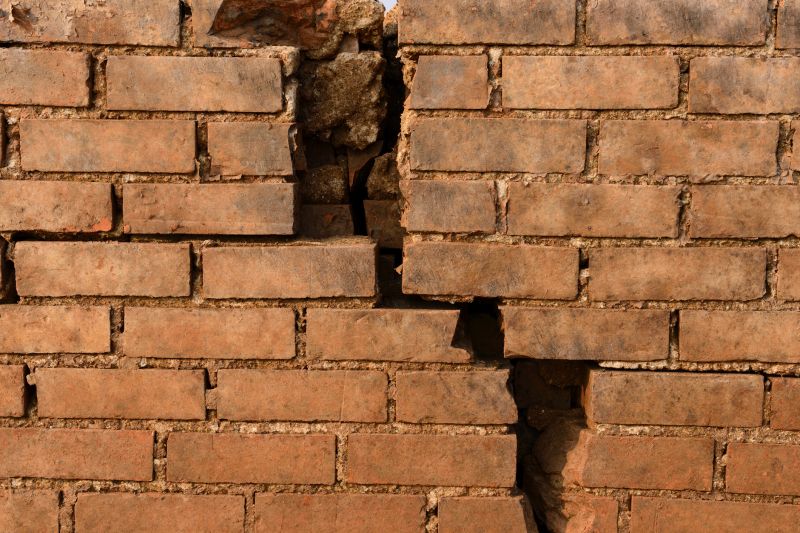
Simple add-ons that improve Brick Repairs without blowing the budget.
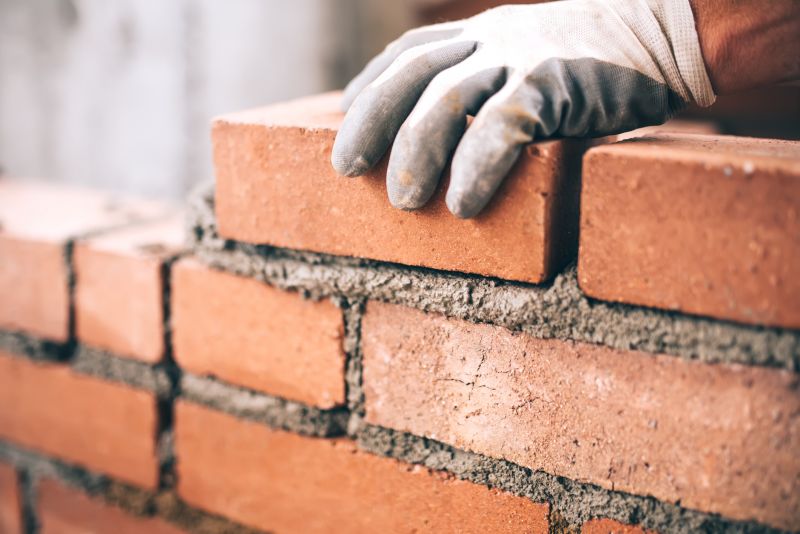
High-end options that actually feel worth it for Brick Repairs.
Brick repairs involve restoring damaged or deteriorated brickwork to preserve structural integrity and aesthetic appeal. Proper timing ensures that repairs are durable and resistant to weather-related issues. The process typically includes cleaning, mortar removal, repointing, and replacing broken bricks, all of which benefit from ideal environmental conditions.
Statistics indicate that repairs performed during optimal weather conditions have a 30% higher success rate in terms of longevity. Additionally, scheduling repairs in the right season can reduce the need for future interventions, saving time and costs over the long term.
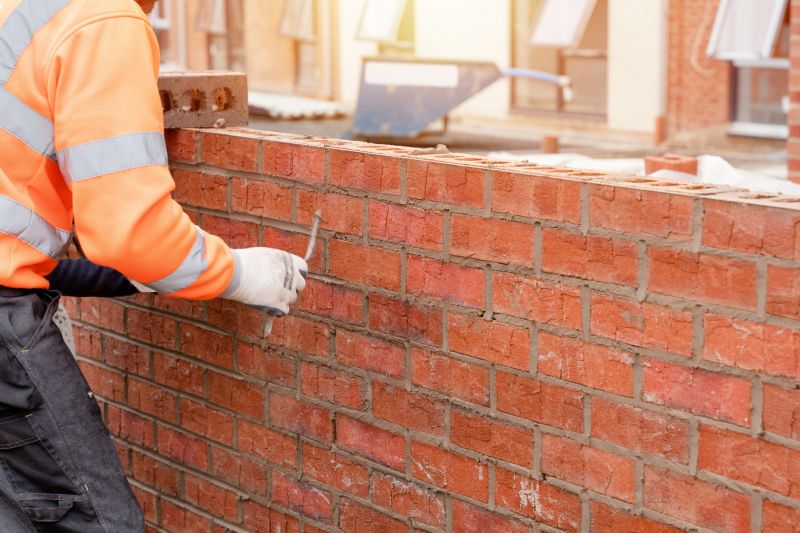
Finishes and colors that play nicely with Brick Repairs.
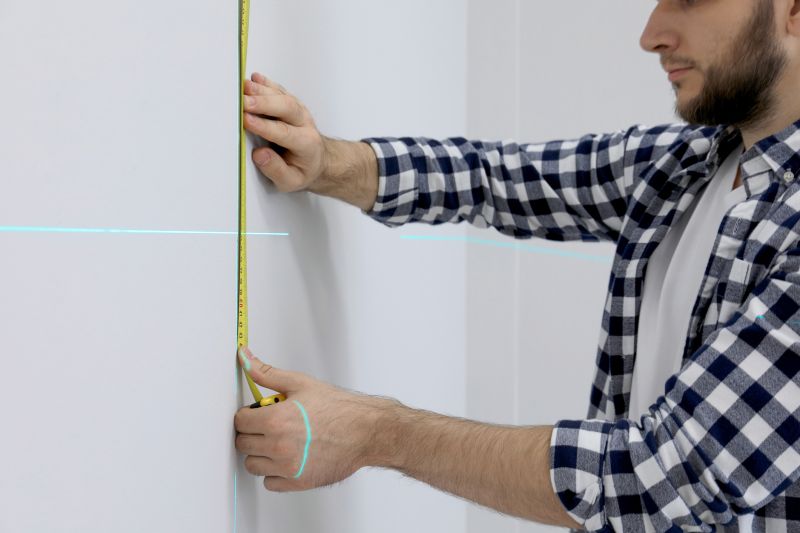
Little measurements that prevent headaches on Brick Repairs day.
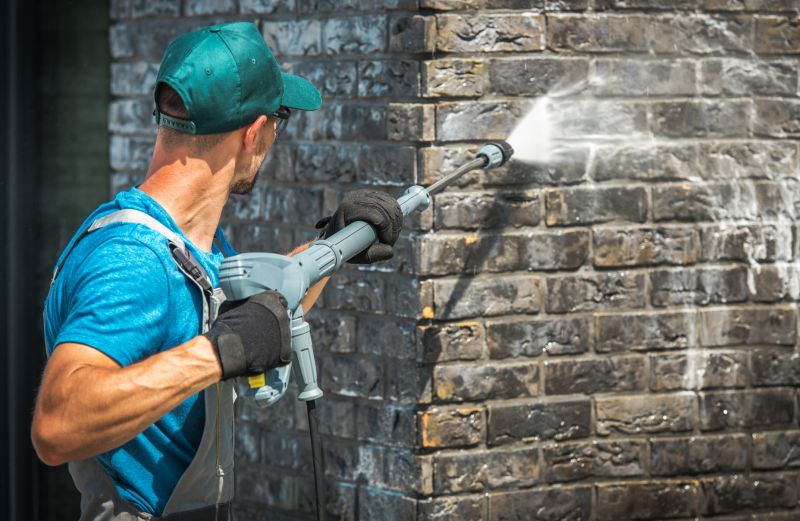
A 60-second routine that keeps Brick Repairs looking new.
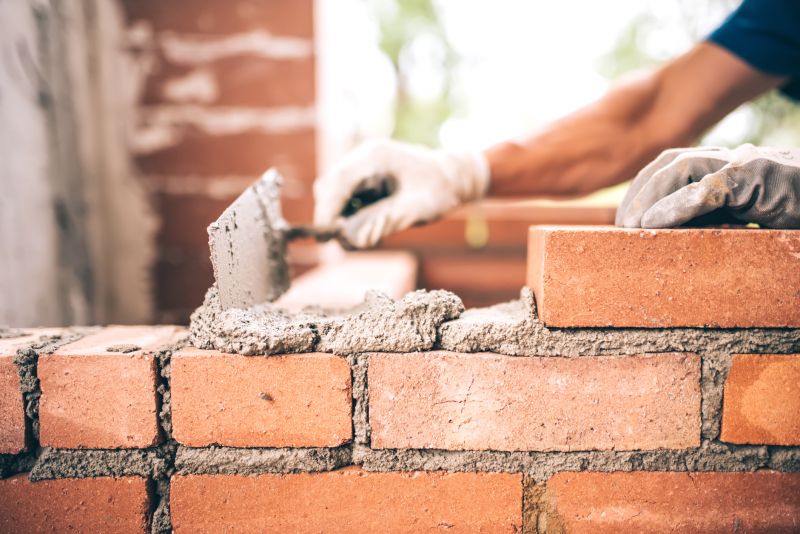
A frequent mistake in Brick Repairs and how to dodge it.
| Season | Ideal Conditions |
|---|---|
| Spring | Moderate temperatures, low humidity |
| Summer | Warm but avoid peak heat hours |
| Fall | Cool temperatures, dry weather |
| Winter | Cold and freezing conditions |
Scheduling brick repairs during seasons with favorable weather conditions enhances the quality and longevity of the work. Avoiding extreme temperatures and high humidity prevents common issues such as mortar cracking, efflorescence, and weak bonding. Proper timing is essential for achieving durable and visually appealing results.
Interested in brick repairs? Filling out the contact form can facilitate planning and scheduling repairs at the most suitable time for specific project needs.